
Start with the product role
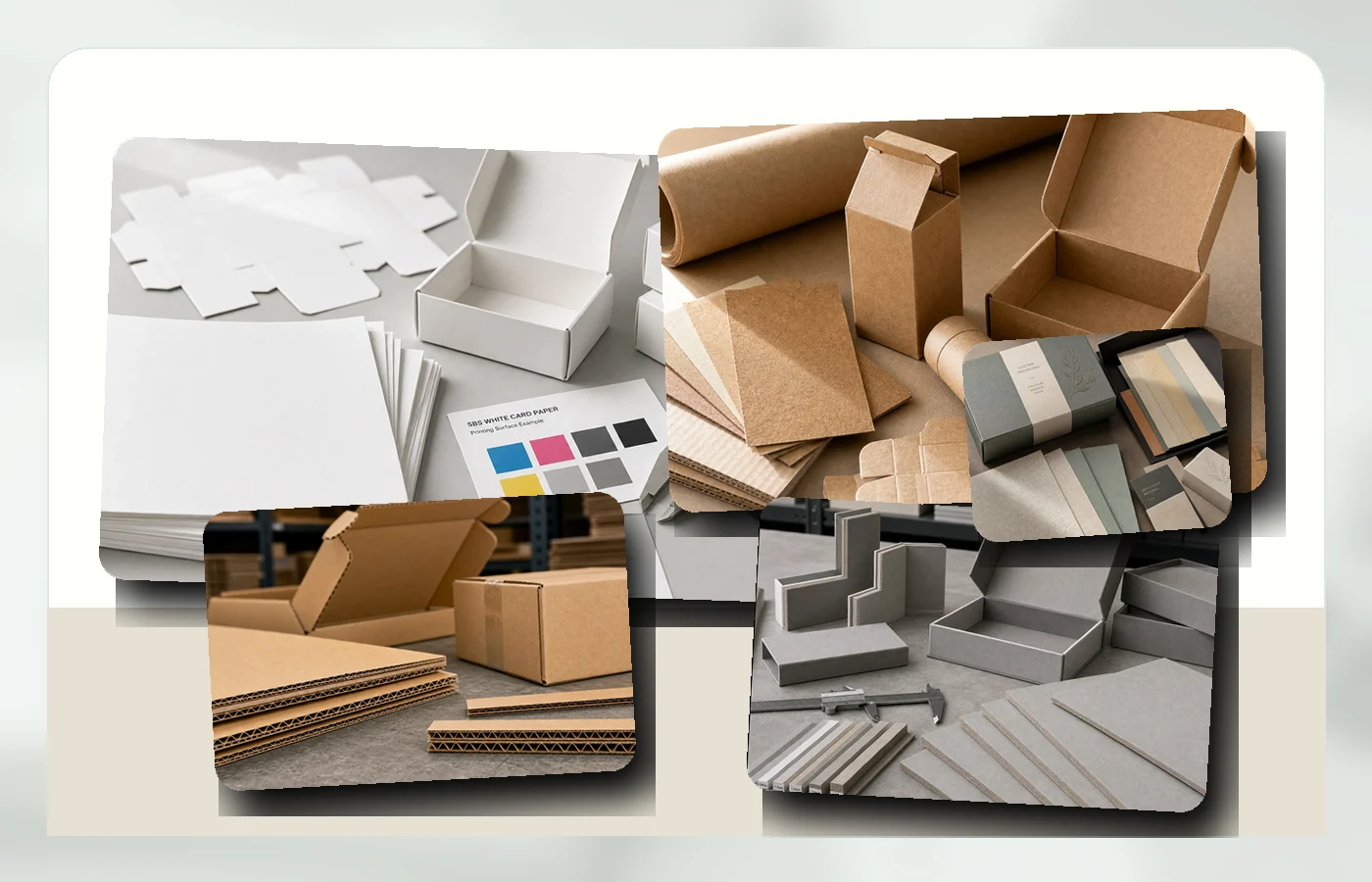
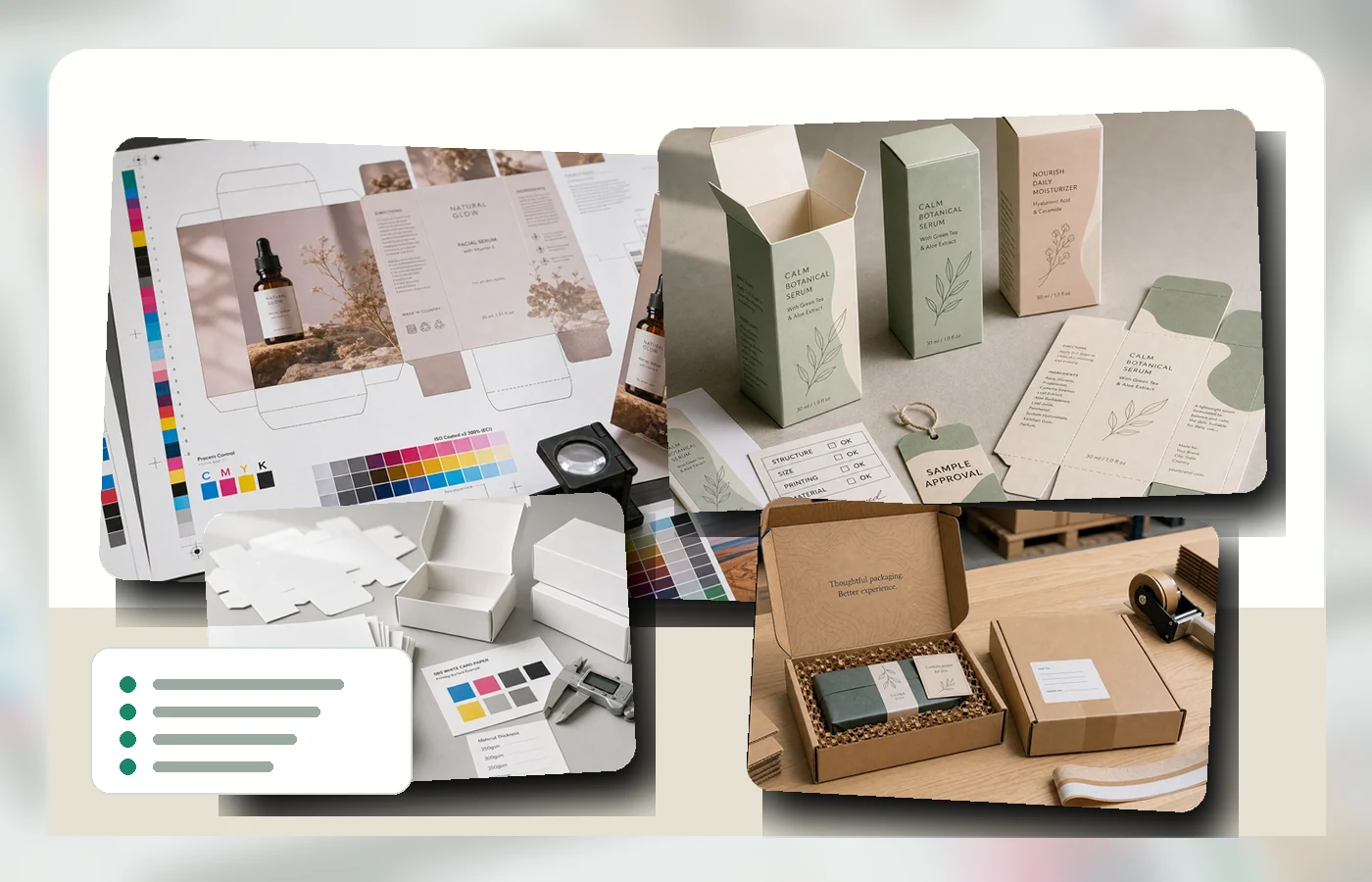
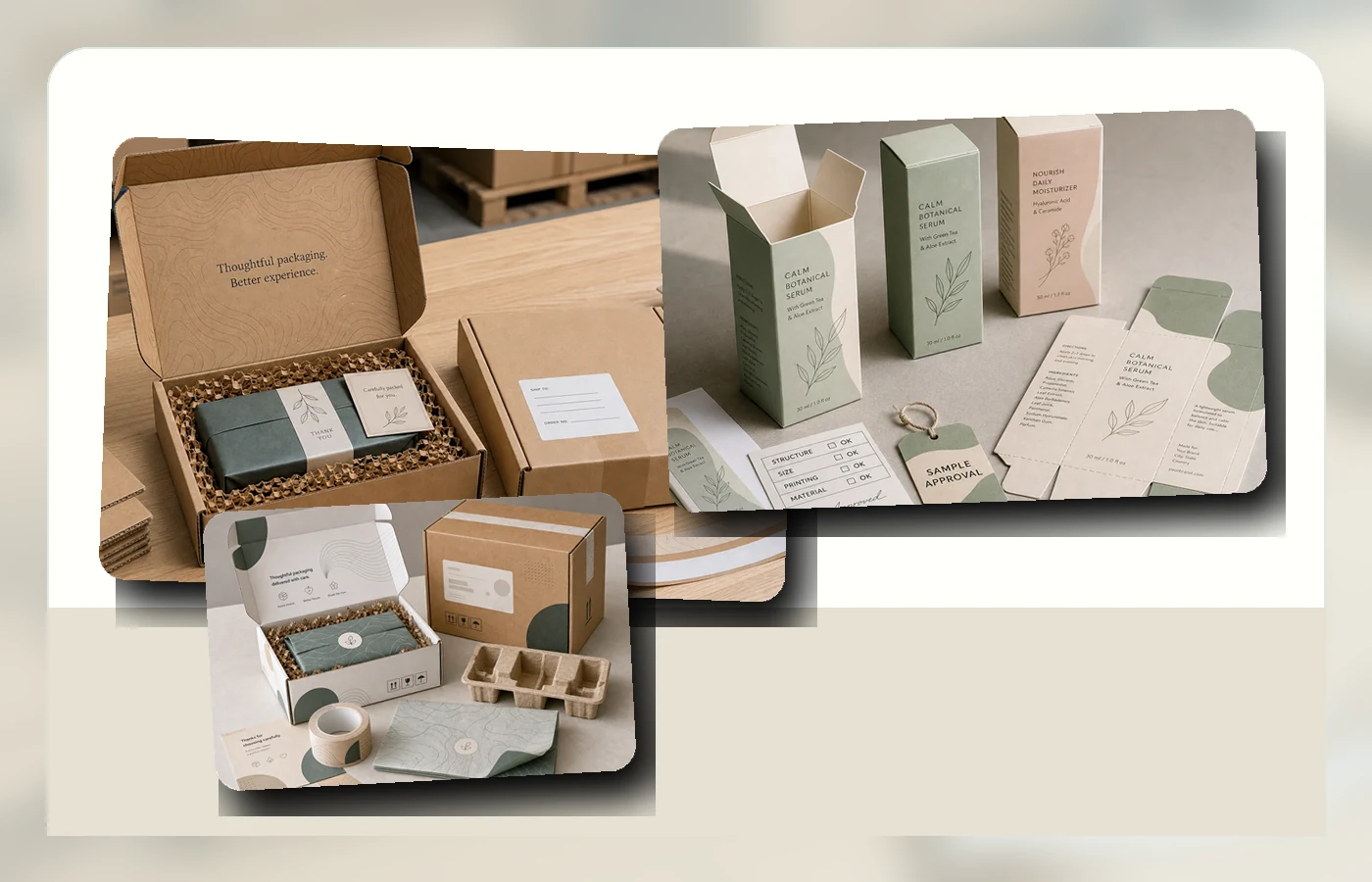
A folding carton is normally a printed paperboard shell that ships flat and supports efficient retail packing. A rigid box is built from thick board and wrapped paper, so it feels more substantial and arrives pre formed. The right choice depends on whether the package mainly communicates product information or becomes part of the premium experience.
Cost and logistics
Folding cartons usually have better freight efficiency because they are supplied flat. Rigid boxes create stronger perceived value but take more warehouse and shipping space. For export orders, volume can influence landed cost as much as unit price.

Protection and presentation
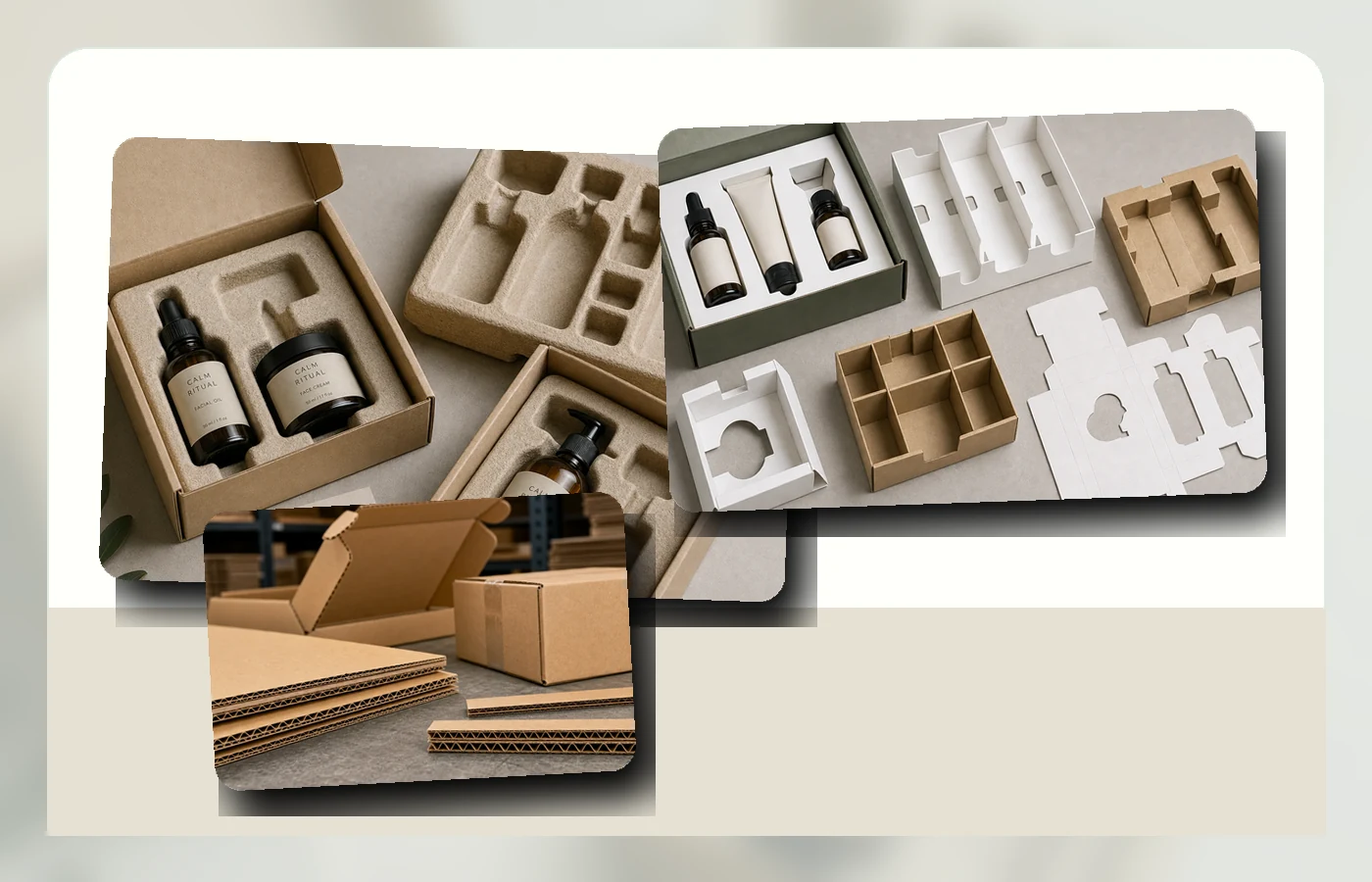
If the product already has a bottle, jar, tube or tray, a folding carton may be enough. If the product is fragile, high value or sold as a gift set, a rigid box with inserts can control the unboxing experience better.

Practical recommendation
Start with a folding carton for lightweight retail products and compare a rigid box when premium gifting, strong structure or internal trays are important. Send product size, weight, quantity, target market and reference images before sampling.
Suggested next step
Send product size, target quantity, reference images, material preference and shipping destination to Packaverse. We can help compare structures, materials, finishes and sampling options before production.